
How ABCD Bethlehem’s educational videos are transforming learning for children in Palestine and beyond
published: 10 March 2026

This March marks one year since ABCD Bethlehem rolled out our suite of 30 educational animated videos across rehabilitation centres in Palestine, supporting children with disabilities to learn, develop their skills, and have fun. Here, ABCD Trustee and Project Manager Firas explains how he worked with Palestinian artist and animator Hanaa Fanoun to bring the project to life, and what lies ahead for the future.
I first got the idea to create our own suite of educational videos while looking at rehabilitation centres here in the UK. I saw how animated learning tools were being used to support children with autism and developmental delays, and thought, why not bring the same approach to our centres in Palestine and see what impact it could have?
We were already in touch with a wonderful Palestinian artist and animator called Hanaa, after we bought some of her artwork to sell here in the UK to raise funds. I suggested the idea of creating a YouTube channel of educational videos for children in our centres, and she was very enthusiastic.
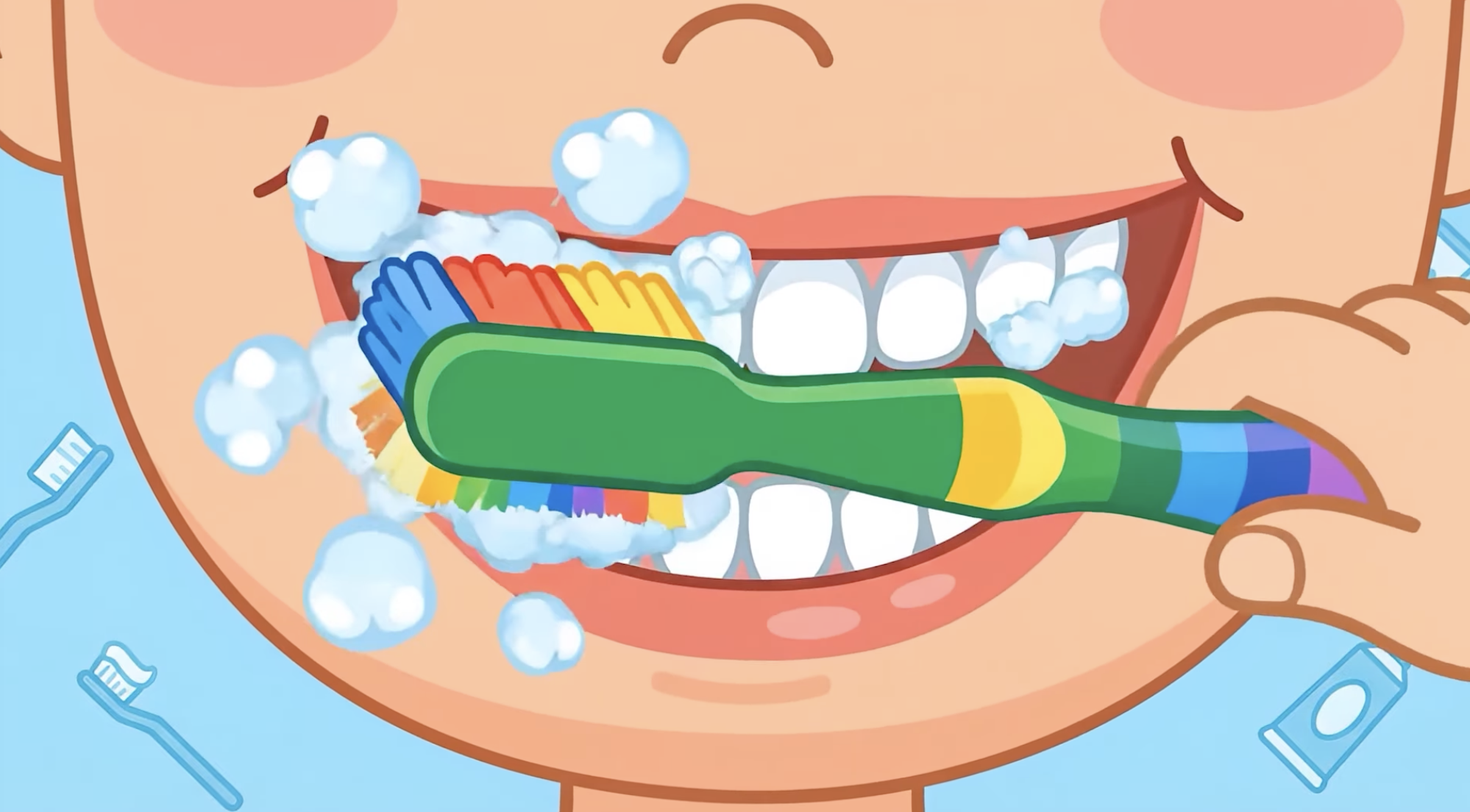
A still video clip from an animation teaching children how to brush your teeth
From there, we began working together to develop the project, shaping the educational content. It covers simple, everyday subjects like the seasons, fruit and vegetables and other basics that help children build their vocabulary, develop their cognitive skills, and understand their surroundings and the world around them – all while having fun!
These videos are suitable for children with a wide range of learning difficulties, including autism, Down syndrome, hyperactivity, or delayed development.
Over time, this collaboration grew into a full suite of 30 animated educational videos, designed to support children with learning difficulties in a fun, engaging way.
In spring 2025, we began rolling them out across rehabilitation centres, integrating them into the sensory rooms and interactive TVs used in therapy sessions. They’ve been a huge success, and are now a regular and much-loved part of learning in our centres – sometimes they get called “the magic box!”
One thing I could not have anticipated was how popular these videos would become even outside Palestine – that really took me by surprise!
Because the videos are freely available on our YouTube channel, anyone can access them, and as a result, the channel has received almost 150,000 views and gained more than 4,800 subscribers in the last year alone. Many viewers come from across the Middle East and North Africa, with particularly strong audiences in Iraq, Algeria and Egypt.
What makes these videos so effective is that they combine visual and auditory learning in a fun, interactive way. The 3D animated characters are relatable and entertaining, helping children stay motivated and encouraging active participation during therapy. This makes a huge difference for the children we support, ensuring that parents can continue the learning and therapy outside of the rehabilitation centres, which is one of ABCD’s key missions.
Being able to access these videos anywhere, at any time, is especially important right now, when roadblocks, restrictions on movement, and other challenges can make it difficult or unsafe for families to travel to centres regularly.
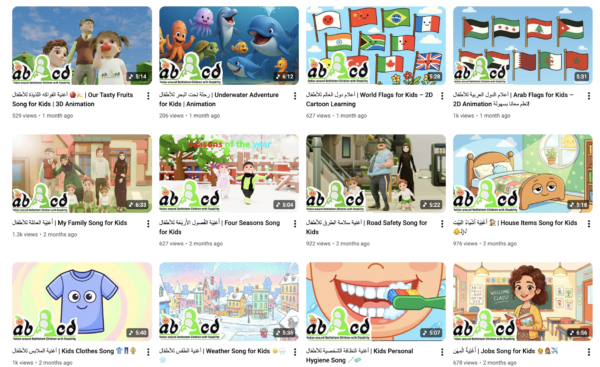
There are 30 different videos to pick and choose from, with more coming in the future.
Looking ahead, we’re entering the second phase of the project – developing interactive educational videos that children and their families can use both at home and in our centres. We’re committed to bringing young people in Palestine the most advanced approaches to rehabilitation and development, helping them develop their cognitive skills, engage with their families, friends and siblings, and reconnect with their community.
Thank you to all the supporters and donors who generously helped us make this project a reality. Your gifts and solidarity are essential in delivering projects like these, which are now touching the lives of hundreds of thousands of children worldwide.
Our ABCD YouTube channel is a valuable supplement to rehabilitation work. When used responsibly, to complement professional care rather than replace it, YouTube can enhance education, support exercise adherence, provide professional training, and improve access to rehabilitation knowledge.